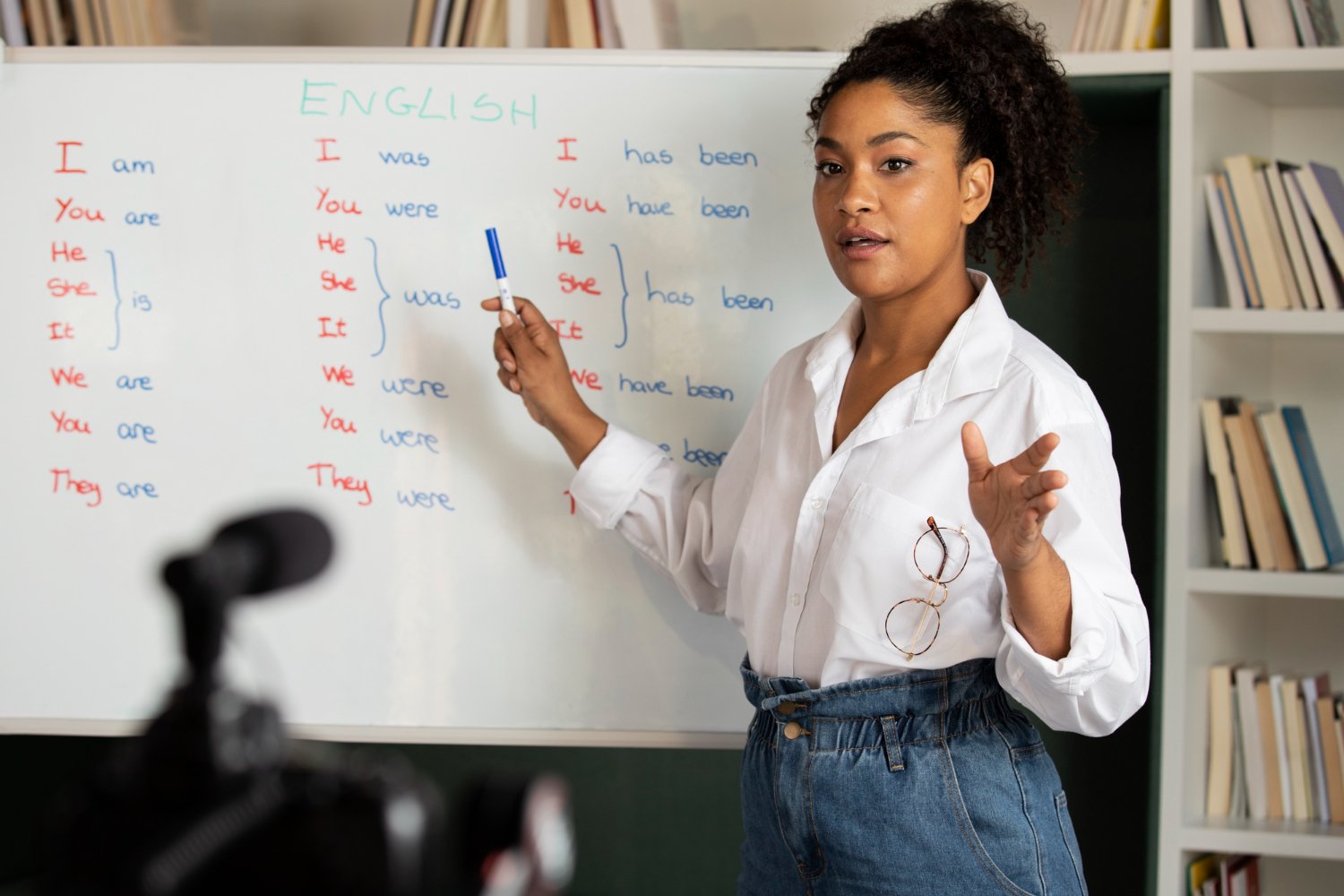
Teaching courses in Kenya are offered at three levels — certificate (being phased out), diploma and degree — and the level you choose determines which grades you can teach, how long you will study, and how much you will earn once employed by the Teachers Service Commission (TSC).
This guide walks you through each option: the primary teacher training pathway (DPTE/DTE), diploma and degree routes into secondary school teaching, technical teacher education, and how TSC registration and KUCCPS placement actually work in practice.

Kenya’s teacher training landscape has changed significantly in recent years. The old P1 certificate is no longer available to new entrants, cluster subject requirements for some programmes have been simplified, and TSC has proposed further changes to entry grades.
This article reflects the structure as it currently stands, but because teacher education policy is actively evolving, always confirm the latest entry requirements with KUCCPS, TSC and your chosen institution before applying.

What Are Teaching Courses in Kenya?
Teaching courses (also called teacher training or teacher education programmes) are the academic and professional qualifications that prepare someone to teach in Kenyan schools and enable them to register with the Teachers Service Commission. They range from two- to three-year diplomas offered at Teacher Training Colleges (TTCs) to four-year Bachelor of Education degrees offered at universities, plus specialised routes such as Postgraduate Diploma in Education (PGDE) and Diploma in Technical Teacher Education for TVET instructors.
Which course you need depends mainly on the school level you want to teach at:
- Pre-primary and lower primary (PP1–Grade 6): Diploma in Teacher Education (Primary option)
- Junior school and secondary school (Grade 7–Form 4/Senior School): Diploma in Education (Secondary option) or a Bachelor of Education degree
- TVET institutions and technical secondary subjects: Diploma in Technical Teacher Education
TSC’s Minimum Qualification: What Changed
TSC has been raising the minimum qualification for entry into teaching. The certificate-level P1 qualification is no longer offered to new trainees; primary teacher training now happens at diploma level through the Diploma in Primary Teacher Education (DPTE), which from 2024 is being consolidated with the Diploma in Early Childhood Teacher Education (DECTE) into a single Diploma in Teacher Education (DTE). TSC has been eliminating the certificate level (P1) to ensure all teachers have at least a diploma or above to teach in Kenyan schools, though recruitment for some primary school posts has still accepted holders of the P1 certificate obtained before the transition, alongside diploma holders for junior and secondary posts.
It is also worth knowing that TSC has floated further reforms. Under proposed amendments to the TSC Code of Regulations for Teachers, the Commission has considered lowering the minimum entry grade for diploma teacher training from a KCSE mean grade of C+ to C plain, as part of a wider effort to widen access to the profession. Because such proposals can change or take time to be formally adopted, treat any specific entry grade below as the currently applied standard and confirm with TSC/KUCCPS before applying, since requirements can be revised.
1. Diploma in Teacher Education – Primary (DPTE/DTE)
What it is: A diploma programme that trains teachers for pre-primary and primary school, qualifying graduates to teach from PP1 up to Grade 6 (and, in some cases, Grade 9 where TSC’s secondary employment terms are met). The programme is being replaced from 2024 with the Diploma in Teacher Education (DTE), which combines DECTE and DPTE, with graduates qualified to teach from PP1 to Grade 6.
Minimum entry requirement: A mean grade of C (plain) in KCSE or its equivalent, with candidates with disabilities required to have a minimum mean grade of C- (minus). Recent reporting also notes that specific subject cluster requirements for this pathway have recently been scrapped, simplifying the entry process. Because policy in this area has shifted more than once, confirm the exact current entry grade and any subject conditions directly on the KUCCPS portal before applying.
Duration: Three years of study, covering coursework, a required practicum, and a micro-teaching component, in accordance with approved curriculum designs. Some sources describe it as a two-year programme under the older DPTE structure, so confirm the current duration with your chosen college, since it can differ between the legacy DPTE and the newer DTE curriculum.
What you study: Professional studies, English, indigenous languages, Kiswahili, physical and health education, mathematics, science and technology, agriculture, home science, music, art and craft, religious education, and social studies, alongside supervised teaching practice in schools.
Where to study: Kenya has over 34 public Teacher Training Colleges and more than 50 registered private TTCs offering diploma and certificate programmes in primary, secondary and early childhood education, and KUCCPS has listed institutions accredited to offer the Diploma in Primary Teacher Education programme. Placement into public TTCs is coordinated through KUCCPS; only institutions listed on the KUCCPS portal can take government-sponsored students, so verify current accreditation at kuccps.ac.ke before enrolling anywhere.
Indicative fees: Fees vary by institution, sponsorship category and whether you are placed by KUCCPS or self-sponsored. One recent estimate put the standard annual fee for KUCCPS-placed students at public TTCs at around KES 67,189, while another source cited a first-year cost of around KES 72,076 for the programme. These figures illustrate the general range rather than a fixed national fee — always confirm the current fee structure with the specific college and with KUCCPS, since amounts differ by year and institution and may exclude items like accommodation, uniforms and examination fees.
2. Diploma in Education – Secondary
What it is: A diploma-level qualification for teaching at junior school and secondary school level, offered as an alternative to a full Bachelor of Education degree. To qualify, you need a Diploma in Education from a recognised teacher training institution.
Minimum entry requirement: A mean grade of C+ (plus) or above in KCSE, with a C+ in each of your two specialisation (teaching) subjects. Requirements differ for those who trained under older diploma structures, so if you hold an older qualification, check with TSC how it is currently treated.
What it leads to: Diploma-holding secondary teachers can register with TSC and be deployed, generally at a different employment grade from degree holders. Many diploma teachers later upgrade to a Bachelor of Education degree to access higher TSC grades and promotion opportunities.
3. Bachelor of Education (B.Ed) Degree
What it is: A four-year university degree that is the standard qualification for graduate (degree-level) teachers in Kenyan secondary schools, and increasingly the pathway many aspiring teachers choose from the outset. Bachelor of Education programmes are currently the largest single enrolment category in Kenyan public universities, reflecting strong demand for teaching careers.
Minimum entry requirement: A minimum mean grade of C+ or its equivalent, with a C+ in both of your specialised (teaching) subjects. Applicants who followed the A-Level system can qualify with two principal passes and one subsidiary pass. Note that KUCCPS has adjusted the specific subject and cluster requirements for this degree over time — for example, Mathematics and English were previously listed as compulsory minimum entry subjects for Bachelor of Education Arts before being removed to align with TSC’s actual regulations, which require a C+ mean grade plus a C+ in the two teaching subjects. Always check the current cluster subjects and cut-off points for your specific specialisation on the KUCCPS portal, since these are reviewed periodically.
Specialisation subjects: You choose two (in some universities, moving toward three) teaching subjects during your degree — for example, English and Literature, Mathematics and Physics, or Geography and History — and these become your registered teaching subjects with TSC. TSC has also discussed expanding Bachelor of Education programmes to three teaching subjects (two major and one minor) instead of two, and extending the degree duration accordingly; confirm with your chosen university whether this structure is already in effect for your intake.
Duration: Typically four years of full-time study, including teaching practice components, though this can extend if the three-subject structure is adopted more widely.
Where to study: B.Ed programmes are offered at most Kenyan public and private universities. Major public universities training large numbers of B.Ed students include the University of Nairobi, Kenyatta University, Moi University, Egerton University, Chuka University and Masinde Muliro University of Science and Technology. Placement into government-sponsored slots is through KUCCPS; self-sponsored and privately admitted students apply directly to universities. Confirm which specific Bachelor of Education specialisations (Arts, Science, Early Childhood, Special Needs, Technical) each university offers, as not every campus runs every option.
Alternative route — Postgraduate Diploma in Education (PGDE): If you already hold a Bachelor of Arts or Bachelor of Science degree in a subject taught in secondary schools, you can qualify as a graduate teacher through a PGDE from an accredited university instead of a full B.Ed, provided your first degree covered teachable subjects and you meet TSC’s grade requirements. If your original degree is in subjects not taught in secondary schools, TSC will not consider you for registration even after completing a PGDE, so check that your subjects are on TSC’s approved teaching-subjects list before enrolling in a PGDE.
4. Diploma in Technical Teacher Education
What it is: A specialised qualification for people who want to teach technical and vocational subjects — such as building construction, electricity, power mechanics or aviation-related subjects — in secondary schools and TVET institutions. Applicants who hold a Bachelor of Science, Higher Diploma or Diploma in a technical course must additionally have a Diploma in Technical Teacher Education to be considered for technical teaching positions.
Subject-specific entry requirements: These vary by technical area. For example, Aviation-related technical teaching requires at least a C+ in Mathematics, English, Physics, Chemistry, Geography or Computer Studies, Building Construction requires Mathematics, Physics, English or Kiswahili, Chemistry, Biology, Geography and specified technical subjects, and Electricity requires Physics, Mathematics, Chemistry, English and specified technical subjects. Because these vary considerably by specialisation, confirm the exact subject list for the technical area you want to teach directly with TSC or the training institution.
Comparing the Main Teaching Pathways
| Pathway | Minimum KCSE grade | Typical duration | School level qualified to teach | Where offered |
|---|---|---|---|---|
| Diploma in Teacher Education – Primary (DPTE/DTE) | C plain (subject to confirmation) | Around 2–3 years | PP1–Grade 6 (and Grade 9 in some cases) | Public and private TTCs |
| Diploma in Education – Secondary | C+ overall, C+ in two teaching subjects | About 3 years | Junior school and secondary school | Selected TTCs and colleges |
| Bachelor of Education (B.Ed) | C+ overall, C+ in two teaching subjects | 4 years | Secondary school (graduate teacher grade) | Public and private universities |
| Postgraduate Diploma in Education (PGDE) | Relevant first degree with teachable subjects | About 1 year | Secondary school (graduate teacher grade) | Selected universities |
| Diploma in Technical Teacher Education | Varies by technical specialisation | Varies | Technical/TVET subjects, secondary school | Kenya School of TVET and affiliated institutions |
Exact durations and entry grades can differ between institutions and are subject to policy changes, so use this table as a general orientation rather than a final answer — confirm specifics for your chosen course and college.
How KUCCPS Placement Works for Teaching Courses
If you want a government-sponsored slot in a public TTC or university teacher training programme, you apply through the Kenya Universities and Colleges Central Placement Service (KUCCPS) portal after your KCSE results are released. KUCCPS matches your grades, subject combination and course preferences against available slots at accredited institutions. Only institutions appearing on the KUCCPS programme list can receive government-sponsored students, so it is worth verifying an institution’s status directly at kuccps.ac.ke before assuming a college can take KUCCPS-placed students.
If you are not placed through KUCCPS, or you want a specific institution not covered by your placement, you can usually apply as a self-sponsored student directly to the college or university, though this generally comes with different (often higher) fees.
Read also: Diploma in Electrical Engineering in Kenya: Full Guide (Requirements, Colleges, Fees & Careers)
How Much Do Teaching Courses Cost in Kenya?
Fees for teaching courses vary by institution, programme level, sponsorship category (government-sponsored versus self-sponsored) and study mode (regular versus school-based/weekend).
As a general guide, KUCCPS-placed diploma students at public TTCs pay government-regulated fees that are lower than what self-sponsored or privately admitted students pay at the same institutions, and university B.Ed fees vary between public and private universities and between government-sponsored and parallel/self-sponsored programmes.
Beyond tuition, budget for:
- Registration and admission fees
- Practicum/teaching-practice supervision fees
- Examination fees (KNEC for diploma programmes)
- Uniforms, learning materials and, where applicable, accommodation and meals
- TSC registration fee upon completion
Before enrolling anywhere, request a written, current fee structure from the institution itself and confirm what it does and does not include, since figures found online can quickly become outdated.
Career Paths After Teaching Courses
Completing a teaching course does not automatically guarantee employment. To work as a teacher in a public school in Kenya, you must, after completing your academic qualification, register with the Teachers Service Commission and then either be employed by TSC (through advertised recruitment rounds) or by a Board of Management in the case of some school categories, or seek employment in a private school, which may set its own additional requirements alongside TSC registration.
Career options for qualified teachers include:
- Public primary school teaching (diploma holders, PP1–Grade 6)
- Public junior and senior secondary school teaching (diploma or degree holders, depending on TSC grade)
- Private school teaching, where some schools set requirements beyond the TSC minimum
- TVET instruction, for those with technical teacher education qualifications
- Curriculum development, educational publishing and examinations work, often after further study or experience
- Further academic progression into a Master’s or Doctorate in Education, which can open roles in teacher training, education administration or policy
It is worth distinguishing three separate things that are often confused: your academic qualification (the diploma or degree itself), your professional/TSC registration (which confirms you meet TSC’s standards to be deployed as a teacher), and any employer-specific requirements (some private schools, for instance, may ask for additional certifications or experience). Completing a teaching course satisfies the first requirement only; TSC registration and, ultimately, recruitment are separate steps.
Can You Progress From Certificate to Diploma to Degree?
Yes. Kenya’s teacher education system is generally structured to allow progression. Holders of older primary teaching qualifications (such as the legacy P1 certificate) can upgrade to the Diploma in Primary Teacher Education or its successor, which itself serves as a bridge to higher courses such as a Diploma in Education, a Bachelor’s degree in Education, and eventually a Master’s or Doctorate in Education. Diploma-level secondary teachers similarly often pursue a Bachelor of Education later in their careers to access higher TSC grades. If you are considering this route, confirm the specific bridging or upgrading requirements (such as minimum teaching experience or entry examinations) with the university or college offering the higher qualification, as these can differ by institution.
Frequently Asked Questions
Is the P1 certificate still available for new students in Kenya? No. The P1 certificate is no longer offered to new entrants; TSC has moved primary teacher training to diploma level through the Diploma in Primary/Teacher Education. People who already hold a P1 certificate remain registered teachers, but new students must pursue the diploma pathway.
What is the minimum KCSE grade needed for teaching courses in Kenya? It depends on the pathway. Diploma programmes for primary teaching generally require a mean grade of C (plain), while diploma programmes for secondary teaching and Bachelor of Education degrees generally require a mean grade of C+ with a C+ in your two specialisation subjects. Confirm the exact current requirement for your intended course on the KUCCPS portal, as entry grades are periodically reviewed.
How long does it take to become a qualified teacher in Kenya? A diploma route typically takes around two to three years, while a Bachelor of Education degree typically takes four years. A Postgraduate Diploma in Education for graduates of other degrees typically takes about one year.
Do I need specific subjects to study a Bachelor of Education? You need a C+ or above overall and a C+ in the two (or, where applicable, three) subjects you intend to teach, since these become your registered TSC teaching subjects. Cluster and subject requirements are periodically updated by KUCCPS, so verify current requirements before applying.
Can a diploma teacher become a degree teacher later? Yes. Many diploma-qualified teachers later enrol for a Bachelor of Education, either full-time, through school-based programmes, or via credit transfer arrangements, to move into the graduate teacher employment grade. Requirements for this upgrade vary by university.
Which institutions offer teaching courses in Kenya? Primary and secondary diploma programmes are offered at public Teacher Training Colleges and KUCCPS-accredited private TTCs across the country. Bachelor of Education degrees are offered at most public universities and many private universities. Always confirm an institution’s current accreditation and KUCCPS listing before applying, since not every college offers every specialisation.
Is a Bachelor of Education degree better than a diploma for job prospects? They lead to different TSC employment grades rather than one being universally “better.” A degree generally places you in the graduate teacher grade, which typically has a higher starting point than the diploma grade, but diploma teachers are TSC-registered and employable, and many later upgrade to a degree. Your choice should depend on your KCSE grade, finances and career timeline as much as on employment grade alone.
Do private school teachers also need TSC registration? Generally, yes — TSC registration is required to work as a professional teacher in Kenya, whether in a public or private school, though individual private schools may add their own hiring criteria on top of TSC registration.
Making Your Decision
If your priority is entering the teaching profession as quickly as possible and your KCSE grade is around a C plain, the Diploma in Teacher Education (Primary) route is the most direct path, typically taking two to three years.
If you scored a C+ or above and are set on secondary school teaching, a Bachelor of Education degree gives you access to the graduate teacher grade, though it takes longer and generally costs more. If you already hold a first degree in a teachable subject, a Postgraduate Diploma in Education is usually the fastest way into graduate-level teaching.
Whichever path you choose, the single most important thing to verify before applying is the institution’s current KUCCPS accreditation and the exact entry requirements for your intake — both because teacher education policy in Kenya continues to evolve, and because requirements can differ between colleges and universities even for the same qualification.
Read also:
- Diploma in Electrical Engineering in Kenya: Full Guide (Requirements, Colleges, Fees & Careers)
- Diploma in Mechanical Engineering in Kenya: Requirements, Colleges & Careers (2026)
- Diploma in Building and Construction in Kenya: Full Guide (Requirements, Colleges, Fees & Careers)
- Diploma in Quantity Surveying in Kenya: Requirements, Colleges & Careers (2026)