
If you’re drawn to healthcare but don’t want to spend six years training to become a doctor, the Diploma in Clinical Medicine and Surgery is one of the most respected and reliable pathways into Kenya’s health sector.
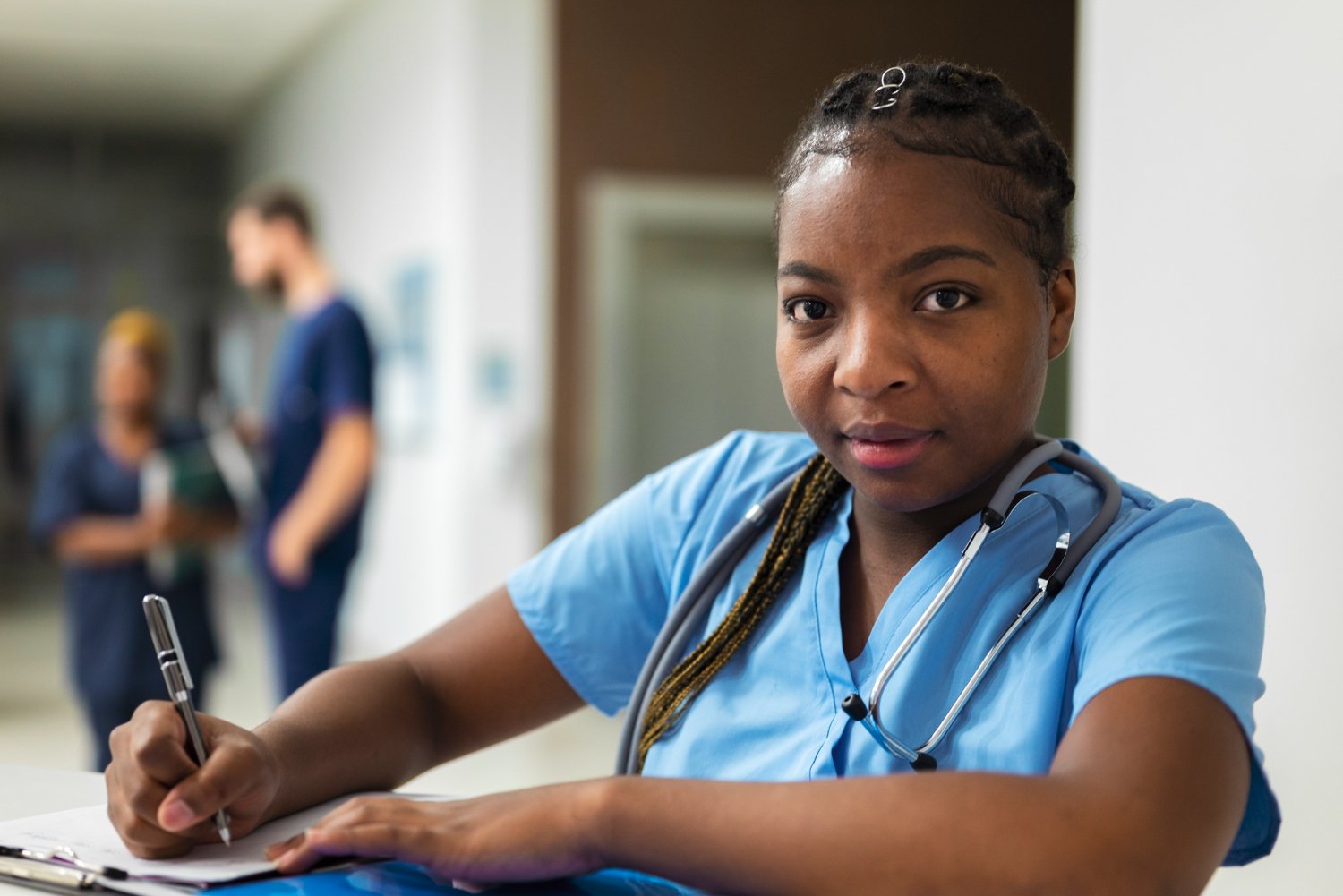
It trains you to become a clinical officer — a licensed frontline healthcare provider who diagnoses illness, prescribes treatment, and often runs entire rural health facilities.

This guide is for KCSE graduates considering a career in clinical medicine, parents helping their children choose a healthcare pathway, and working professionals exploring a switch into the medical field.
You’ll learn exactly what the course involves, the KCSE grades you need, which colleges offer it, how much it costs, how to register as a clinical officer, and what real career prospects and salaries look like in Kenya today.

What Is a Diploma in Clinical Medicine and Surgery?
The Diploma in Clinical Medicine and Surgery is a three-year training programme that qualifies graduates to work as clinical officers — mid-level healthcare professionals who assess patients, diagnose common and moderately complex conditions, prescribe medication, and perform minor surgical procedures, typically under the overall supervision of a medical officer (doctor) but often working independently, especially in rural and underserved areas.
Clinical officers are a uniquely Kenyan (and broader East African) cadre of healthcare worker. They fill a critical gap between nurses and fully qualified doctors, and in many rural dispensaries and health centres, a clinical officer is the most senior clinician on site.
The course and profession are regulated by the Clinical Officers Council (COC), established under the Clinical Officers (Training, Registration and Licensing) Act No. 20 of 2017. Any institution training students for this diploma must be accredited by the COC, and every practising clinical officer must be registered and licensed by the Council.
Quick summary: Diploma in Clinical Medicine = 3 years of training + 1 year mandatory internship, regulated by the Clinical Officers Council, leading to a licensed career as a clinical officer in Kenya’s public or private health sector.
Why Choose Clinical Medicine Over Nursing or a Medicine Degree?
- Faster and more affordable than becoming a doctor. A Bachelor of Medicine and Surgery (MBChB) typically takes 6 years plus internship; this diploma takes 3 years plus a 1-year internship.
- Broader clinical scope than nursing. Clinical officers diagnose, prescribe, and can perform minor procedures — a different scope of practice from nursing, which is centred on patient care and case management.
- Strong rural employment pathway. County governments and the Ministry of Health rely heavily on clinical officers to staff dispensaries and health centres where doctors are scarce.
- Clear progression path. You can later pursue a Higher Diploma in a specialty (e.g., Reproductive Health, ENT, Anaesthesia, Ophthalmology, Paediatrics) or bridge into a Bachelor of Clinical Medicine and Community Health degree.
- Recognised regionally. Kenyan-trained clinical officers are recognised across East Africa and increasingly sought after internationally in some health systems.
That said, this is not a “lighter” alternative to medicine — it is an academically demanding, science-heavy course requiring strong performance in Biology, Chemistry, and either Mathematics or Physics.
KMTC and General Entry Requirements
This is the most searched question, so here is the direct answer, based on the standard national entry requirements applied by KMTC and other COC-accredited institutions:
Minimum KCSE mean grade: C (plain) or better.
In addition to the overall mean grade, you must meet the following subject-specific requirements:
- C (plain) in English or Kiswahili
- C (plain) in Biology or Biological Sciences
- C- (minus) in Chemistry or Physical Sciences
- C- (minus) in Mathematics or Physics
Important nuance: Only one subject per category is typically considered during grading — for example, your better score between Mathematics and Physics is what counts, not both. Exact subject combinations can vary very slightly between institutions, so always confirm current requirements directly on the KMTC website or with your chosen college before applying.
Entry Requirements at a Glance
| Requirement | Minimum Grade |
|---|---|
| Overall KCSE mean grade | C (plain) |
| English or Kiswahili | C (plain) |
| Biology / Biological Sciences | C (plain) |
| Chemistry / Physical Sciences | C- (minus) |
| Mathematics or Physics | C- (minus) |
Key takeaway: A C (plain) mean grade with credible science grades is the realistic entry point for clinical medicine — this is notably higher than the general C- diploma minimum required for most other diploma courses in Kenya, reflecting the clinical and safety-critical nature of the profession.
How to Apply for the Diploma in Clinical Medicine
Government-Sponsored (KUCCPS) Route
- Wait for the KUCCPS portal to open for KMTC and other public diploma placements — this is announced through KUCCPS, KMTC, and various media channels, and intakes typically run more than once a year (for example, separate application windows have opened for different KCSE cohorts).
- Log in to the KUCCPS student portal using your KCSE index number, year of examination, and password.
- Select the Diploma in Clinical Medicine and Surgery among your diploma/TVET choices, along with your preferred KMTC campus or other accredited institution if given the option.
- Pay the application fee as instructed on the portal.
- Await placement results, which are released in structured rounds; unsuccessful or unplaced applicants can revise their choices during the official revision window.
Self-Sponsored Route
If you’re not placed through KUCCPS, or prefer to apply directly, most KMTC campuses and accredited private colleges accept self-sponsored applicants. Contact the specific institution directly to find out their next intake dates, since these are announced separately from the KUCCPS cycle.
Always verify COC accreditation before enrolling. Training in an institution that is not accredited by the Clinical Officers Council means you will not be eligible for registration and licensing after graduation — effectively making the qualification worthless for practising in Kenya, regardless of how legitimate the college otherwise appears.
Course Duration and Structure
- Total duration: 3 years, structured into 6 semesters (9 academic terms in some institutional calendars)
- Mandatory internship: 1 year of supervised practical training after graduation, which is a legal requirement before registration and licensing
- Examining body: The Kenya National Examinations Council (KNEC) typically administers the academic examinations, while the Clinical Officers Council administers the pre-internship licensing examination
Core Units Covered
While the exact unit breakdown can differ slightly between institutions, the curriculum — standardised under COC guidelines — generally covers:
- Anatomy and Physiology
- Biochemistry
- Pathology and Microbiology
- Pharmacology
- Clinical Medicine (Internal Medicine)
- Surgery and Trauma Management
- Obstetrics and Gynaecology
- Paediatrics and Child Health
- Community Health and Primary Health Care
- Reproductive Health
- Research Methods and Biostatistics
- Professional Ethics and Health Systems Management
- Clinical Skills and Practicum (hospital-based clinical rotations)
Colleges Offering the Diploma in Clinical Medicine in Kenya
Kenya Medical Training College (KMTC)
KMTC is the largest and most trusted provider of this diploma, with campuses across nearly every county in Kenya. Because it is a government institution, it is generally the most affordable option and the primary route for KUCCPS-placed, government-sponsored students.
Other Public and Faith-Based Institutions
- A.I.C. Kijabe School of Nursing and Clinical Medicine (Kijabe)
- St. Joseph’s Medical Training College (Sondu)
- St. Mary’s School of Clinical Medicine (Mumias)
- St. Elizabeth Hospital Training School (Mukumu, Kakamega)
Private Universities and Colleges
- Mount Kenya University (MKU) — School of Health Sciences, Thika and other campuses
- Kirinyaga University College — Karatina town campus
- Imperial College of Medical and Health Sciences (ICMHS) — a private medical training institution with clinical rotation partnerships across multiple Level-4 hospitals
- Thika School of Medical and Health Sciences — with satellite campuses in Mombasa, Kisumu, and Kitui
Before enrolling anywhere outside KMTC, verify:
- The specific institution’s accreditation status directly with the Clinical Officers Council (clinicalofficerscouncil.org)
- Registration with TVETA (for TVET-based colleges) or the Commission for University Education (for university-based programs)
- Registration status with the Kenya National Qualifications Authority (KNQA), which maintains the national qualifications database
Diploma in Clinical Medicine Fees
KMTC fees are government-regulated and among the most affordable in the region for this level of training. Based on the KMTC official 2025/2026 fee structure:
| Student Category | Year | Approximate Annual Fee (KES) |
|---|---|---|
| Regular (government-sponsored) — Year 1 | 1 | ~80,700 |
| Regular (government-sponsored) — Year 2 | 2 | ~78,000 |
| Regular (government-sponsored) — Year 3 | 3 | ~78,000 |
| Self-sponsored | All years | Slightly higher than regular rates |
Note that Year 1 fees are marginally higher than subsequent years because clinical medicine students pay an additional skills lab fee (approximately KES 2,750) alongside standard registration, examination, and library/ICT charges. These figures cover tuition-related fees only — accommodation, meals, and personal upkeep are billed separately and vary by campus.
Private institutions typically charge more. Based on published rates from private medical colleges, expect annual tuition in the range of KES 100,000 to 150,000, sometimes higher depending on facilities, clinical rotation partnerships, and campus location.
Always request the current, official fee structure directly from your chosen institution, since figures are reviewed periodically.
HELB and Financial Support for Clinical Medicine Students
As a KUCCPS-placed TVET/diploma student, you can apply for HELB funding under the Student Centred Funding Model, which allocates a combination of loan and scholarship support based on your assessed financial need category (vulnerable, extremely needy, needy, or less needy). Students in the most vulnerable categories can have the bulk of their standardised fee covered directly, significantly reducing what you pay out of pocket.
Practical tip: Apply for HELB as soon as your KUCCPS placement is confirmed and complete your financial need assessment form accurately and promptly — this determines your funding category for the entire duration of your training.
Clinical Officers Council (COC) Registration and Licensing
Completing your diploma is not the final step — you must be registered and licensed by the Clinical Officers Council before you can legally practise as a clinical officer in Kenya. Here’s the process:
- Student registration and indexing. Within 60 days of joining an accredited institution, your training college submits your details to the COC for indexing as a registered medical student. Keep your index card safe — you’ll need it for future council examinations and portal logins.
- Complete your 3-year diploma programme and sit your final academic examinations.
- Sit the COC pre-internship examination. This assesses theoretical knowledge and clinical competency before you’re cleared to begin your internship.
- Complete a mandatory 1-year internship at an approved internship centre, under supervision and mentorship.
- Apply for registration and licensing within 3 months of completing your internship, submitting your internship completion letter, logbook, academic certificates, and the prescribed registration fee.
- Pay the registration and licensing fee — currently approximately KES 11,500 for diploma holders (fees are periodically reviewed, so confirm the current rate with the COC directly).
- Renew your practising licence periodically, which requires accumulating Continuing Professional Development (CPD) points.
Warning on late registration: The COC applies penalty charges for late registration after the internship completion window, so plan to complete your registration paperwork promptly.
Career Opportunities for Clinical Medicine Diploma Holders
Clinical officers are employed across a wide range of settings:
- Public health facilities — dispensaries, health centres, sub-county and county hospitals, and national referral hospitals, typically through the Ministry of Health or county government recruitment
- Private hospitals and clinics, including mission and faith-based hospitals
- Non-governmental organisations (NGOs) running health programmes, especially in maternal health, HIV/AIDS care, and community health outreach
- Research institutions, such as KEMRI, in clinical research support roles
- Private practice, after gaining sufficient experience and meeting the additional licensing requirements for running an independent clinic
- Further specialisation through a Higher Diploma (e.g., in Reproductive Health, Anaesthesia, ENT, Ophthalmology, Dermatology, or Emergency Medicine), which opens up more senior clinical and teaching roles
- Academic progression into a Bachelor of Clinical Medicine and Community Health degree, offered at several universities, potentially with credit transfer for diploma holders
Clinical Officer Salary in Kenya
Salaries for clinical officers vary significantly depending on whether you work in the public or private sector, your job group, experience, and specialisation.
Public sector (government job groups):
- Entry-level clinical officer: roughly KES 41,000 – 59,000 per month at county/central government level
- Principal clinical officer: roughly KES 87,000 per month
- Assistant director of clinical services: roughly KES 121,000 per month
- Deputy director of clinical services: roughly KES 169,000 per month
- Director of clinical services: roughly KES 198,000 per month
Internship stipend: According to Salaries and Remuneration Commission (SRC) guidance, clinical officer interns with a diploma qualification are typically paid in the range of KES 27,000 to 35,000 per month during their mandatory internship year.
Private sector and general market data: Broader salary aggregators report average clinical officer earnings in Kenya in the range of roughly KES 40,000 to over KES 290,000 annually depending on experience and role, with top earners (senior/specialist clinical officers, or those in well-resourced private facilities) earning considerably more.
These figures fluctuate with periodic SRC salary reviews and negotiated collective bargaining agreements, so treat them as an informed estimate rather than a fixed guarantee.
Advantages and Disadvantages of the Diploma in Clinical Medicine
Advantages
- Faster and considerably cheaper route into clinical practice than a medicine degree
- Strong, near-guaranteed employment prospects, especially in county and rural health facilities
- Wide scope of practice — diagnosis, prescribing, and minor procedures
- Clear specialisation and career progression pathways (Higher Diploma, degree bridging)
- Regionally recognised qualification across East Africa
Disadvantages
- Academically demanding — requires strong performance in Biology, Chemistry, and Mathematics/Physics
- Entry-level public sector pay can feel modest relative to the training’s intensity and responsibility
- Clinical officers generally work under the overall clinical authority of doctors in more complex cases, which can limit scope in certain settings
- Choosing an unaccredited institution can permanently block your ability to register and legally practise
- Emotionally and physically demanding work, especially during clinical rotations, internship, and rural postings
Who Should Consider This Diploma?
This course is a strong fit if you:
- Scored a C (plain) or better with solid grades in Biology, Chemistry, and Mathematics/Physics
- Genuinely want direct, hands-on clinical involvement in diagnosing and treating patients
- Want a faster, more affordable entry into healthcare than a medicine degree requires
- Are comfortable with rural or underserved postings, especially early in your career
- Can handle emotionally demanding clinical environments, including emergencies and high patient loads
Common Mistakes Students Make
- Enrolling in an institution not accredited by the Clinical Officers Council, only to discover after graduation that they cannot register or practise.
- Underestimating the science demands of the course, particularly if their KCSE performance in Biology and Chemistry was only marginally at the required grade.
- Delaying COC student registration and indexing, which can create complications later during licensing.
- Missing the internship application window or failing to complete registration within the required 3 months after internship, attracting penalty fees.
- Assuming clinical medicine and nursing are interchangeable — they are distinct professions with different scopes of practice, training content, and regulatory bodies.
Tips for Succeeding in the Course
- Take your clinical rotations and attachments seriously — this is where practical competence, professional habits, and networking are built.
- Register and index with the COC promptly as soon as you’re admitted, and keep your documentation organised throughout the course.
- Build strong foundational knowledge in Anatomy, Physiology, and Pharmacology early, since these underpin almost every clinical unit that follows.
- Consider your specialisation early. If you already know you want to pursue a Higher Diploma (e.g., in Reproductive Health or Anaesthesia), speak to lecturers and practising clinical officers about how to position yourself during your diploma training.
- Prepare financially and mentally for the internship year, which is demanding but essential for full registration.
Frequently Asked Questions
1. What is the minimum KCSE grade for a Diploma in Clinical Medicine and Surgery? A mean grade of C (plain), with at least a C in English/Kiswahili and Biology, and C- in Chemistry and Mathematics/Physics. This is higher than the general C- diploma minimum required for most other courses in Kenya.
2. How long does the Diploma in Clinical Medicine take? Three years of training divided into six semesters, followed by a mandatory one-year internship required before registration and licensing.
3. Is KMTC the only college offering this diploma? No. While KMTC is the largest and most affordable provider, several private colleges and universities also offer the diploma, including Mount Kenya University, Kirinyaga University College, and various accredited private medical training colleges — provided they are approved by the Clinical Officers Council.
4. What is the difference between a clinical officer and a doctor? Clinical officers hold a diploma (or degree) in Clinical Medicine and typically work under the broader clinical framework overseen by medical officers (doctors), particularly for complex cases, while doctors complete a longer MBChB degree with a wider scope of independent practice. Both are registered by different regulatory bodies — the Clinical Officers Council for clinical officers, and the Kenya Medical Practitioners and Dentists Council for doctors.
5. How much does the Diploma in Clinical Medicine cost at KMTC? Government-sponsored (regular) students pay approximately KES 78,000–80,700 per year depending on the year of study, while self-sponsored students pay a slightly higher rate. Private institutions typically charge KES 100,000–150,000 per year.
6. Do clinical medicine students qualify for HELB funding? Yes, KUCCPS-placed diploma students, including those in clinical medicine, can apply for HELB funding under the Student Centred Funding Model, which allocates a mix of loans and scholarships based on assessed financial need.
7. What happens after I complete the diploma — can I start working immediately? No. You must first complete a mandatory one-year internship at an approved centre, then apply for registration and licensing with the Clinical Officers Council within three months of finishing your internship, before you can legally practise.
8. How much does COC registration and licensing cost? Registration and licensing fees for diploma holders are currently around KES 11,500, though this figure is periodically reviewed, so confirm the current rate directly with the Clinical Officers Council.
9. What is the salary of a clinical officer in Kenya? Entry-level public sector clinical officers typically earn roughly KES 41,000–59,000 per month, rising to KES 87,000–198,000 for principal, assistant director, and director-level clinical roles. Private sector and specialised roles can pay considerably more, especially with experience.
10. Can I upgrade from a diploma to a degree in clinical medicine later? Yes. Several universities offer a Bachelor of Clinical Medicine and Community Health, and diploma holders may be eligible for credit transfer, though this varies by university and is not automatically guaranteed — some institutions require starting from year one.
11. Can I specialise after completing the basic diploma? Yes. Clinical officers can pursue a Higher Diploma in specialties such as Reproductive Health, Anaesthesia, ENT, Ophthalmology, Dermatology, Paediatrics, or Emergency Medicine after gaining some years of clinical experience.
12. Is the Diploma in Clinical Medicine harder than other diplomas? Generally yes — it requires stronger science grades at entry and covers dense, clinically rigorous content including anatomy, pharmacology, pathology, and hands-on hospital-based clinical rotations, making it more demanding than most business or general diploma programs.
13. What subjects are most important for someone wanting to pursue this diploma? Biology and Chemistry are the most critical, since they underpin the anatomy, physiology, pharmacology, and pathology content of the course. Strong performance in Mathematics or Physics is also required at entry.
14. Where do clinical officers typically get posted for internship? Internship postings are typically at approved public and mission hospitals across the country, including county referral hospitals, as assigned by the Clinical Officers Council in coordination with the Ministry of Health.
15. Is this diploma recognised outside Kenya? Kenyan-trained and COC-registered clinical officers are recognised across much of East Africa, and the profession is increasingly gaining recognition in select international health systems, though specific recognition depends on the destination country’s regulatory requirements.
Final Verdict: Is the Diploma in Clinical Medicine Right for You?
The Diploma in Clinical Medicine and Surgery remains one of the most respected and consistently employable qualifications in Kenya’s health sector — a genuine, hands-on route into frontline patient care without the six-year commitment of a medicine degree. It rewards students who are academically serious, genuinely drawn to clinical work, and prepared for the physical and emotional demands of the profession.
Before you commit:
- Honestly assess your KCSE science grades against the entry requirements — particularly Biology, Chemistry, and Mathematics/Physics.
- Confirm your chosen institution’s Clinical Officers Council accreditation before applying or paying any fees.
- Plan your finances, including applying for HELB support if you’re KUCCPS-placed, and budgeting for the mandatory internship year.
- Think beyond the diploma — consider early whether you want to specialise through a Higher Diploma or eventually bridge into a full clinical medicine degree.
For thousands of clinical officers serving Kenya’s dispensaries, health centres, and hospitals today, this diploma was the starting point of a genuinely impactful and stable healthcare career.
Read also:
- Diploma Courses with High Salary in Kenya (2026 List)
- Diploma in Pharmacy in Kenya: Requirements, Fees, Colleges, and Career Guide (2026)
- Diploma in Nursing in Kenya: Requirements, Fees, Colleges, and Career Guide (2026)
- Diploma Courses in Kenya: The Complete 2026 Guide to Courses, Colleges, Fees and Careers